If you’ve ever watched your child struggle with bloating, constipation, irritability, or those mysterious “off days” that seem to come out of nowhere, you’ve probably wondered — is it something they ate?
For many sensitive kids, especially those with autism or regulatory challenges, inflammation plays a bigger role than we realize. And the foods we offer can either calm the body or aggravate it.
This isn’t about dieting. This isn’t about perfection. This is about comfort — your child’s comfort.
And sometimes, the simplest anti‑inflammatory shifts make the biggest difference.
Affiliate Disclosure: This post contains Amazon affiliate links. As an Amazon Associate, I earn from qualifying purchases at no extra cost to you. Thank you for supporting Your Parenting Blueprint.
Why Inflammation Matters
Inflammation isn’t always visible. In kids, it often shows up as:
- irritability
- meltdowns
- fatigue
- bloating
- constipation
- difficulty focusing
- emotional overwhelm
When a child’s gut is inflamed, their whole system feels “louder.” Their brain has to work harder to regulate, process, and cope.
That’s why anti‑inflammatory foods can be so powerful — they help quiet the internal noise.
Anti‑Inflammatory Foods That Support Sensitive Kids
You don’t need a complicated plan. You don’t need expensive products. You don’t need to overhaul your pantry overnight.
Just think simple, real, gentle.
Here are foods that naturally help reduce inflammation:
1. Fruits & Vegetables
- berries
- leafy greens
- carrots
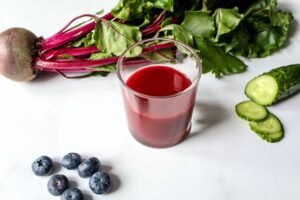
- beets
- squash
- apples
- pears
Thes
e support digestion and calm the gut.
2. Healthy Fats
- avocado
- olive oil
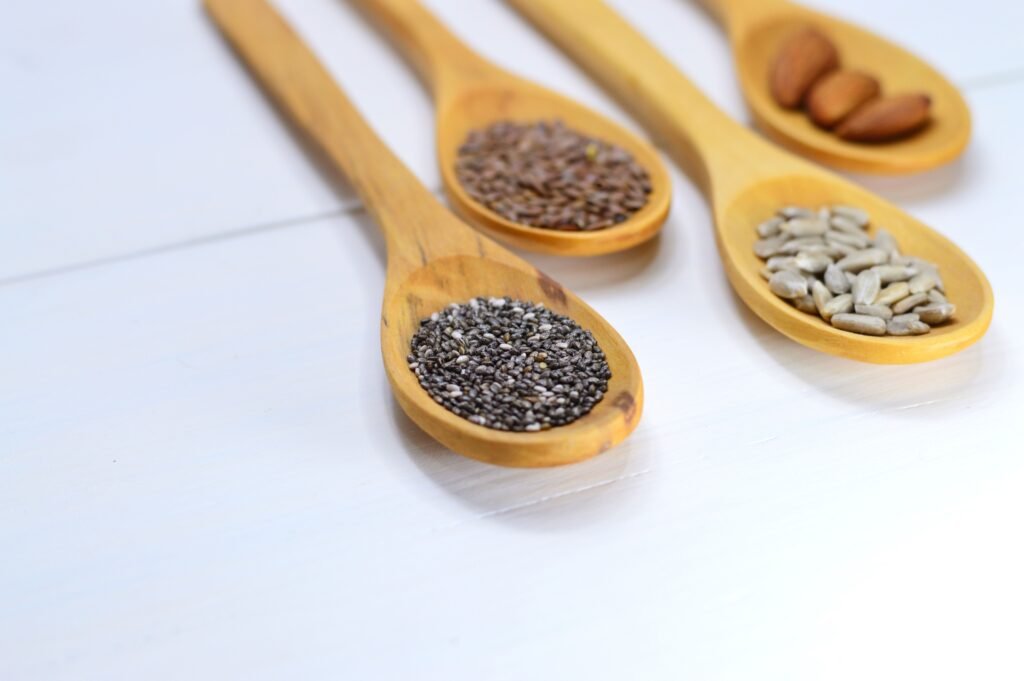
- nuts and seeds (if tolerated)
- fatty fish like salmon
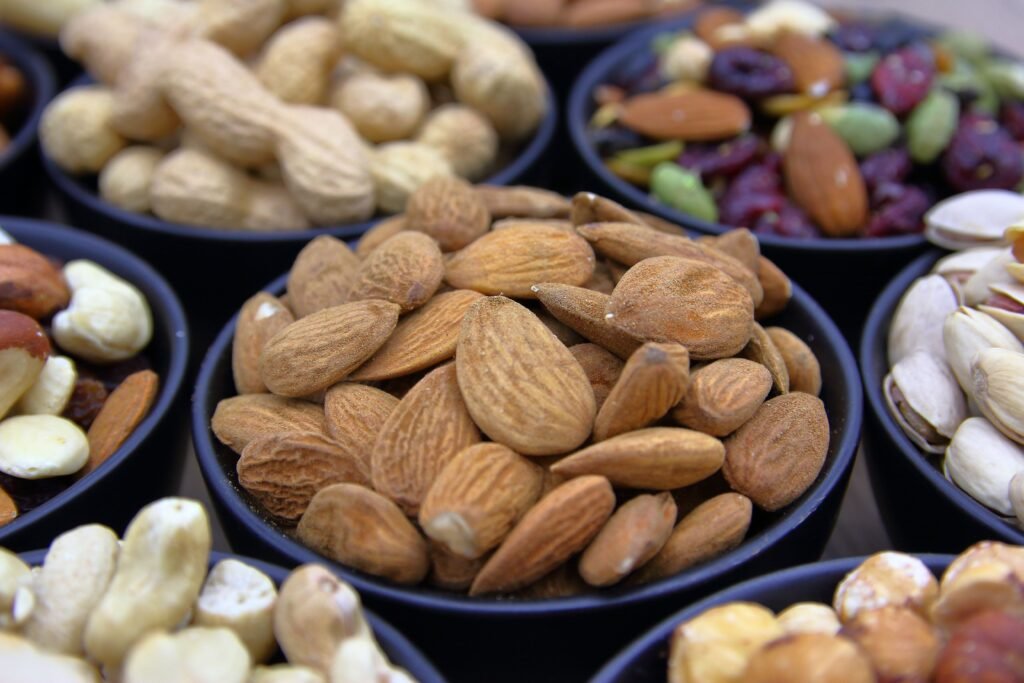
They help stabilize mood and support the brain.
3. Lean Proteins
- chicken
- turkey
- eggs (if tolerated)
- beans and lentils
These keep energy steady.
4. Gluten‑Free Whole Grains
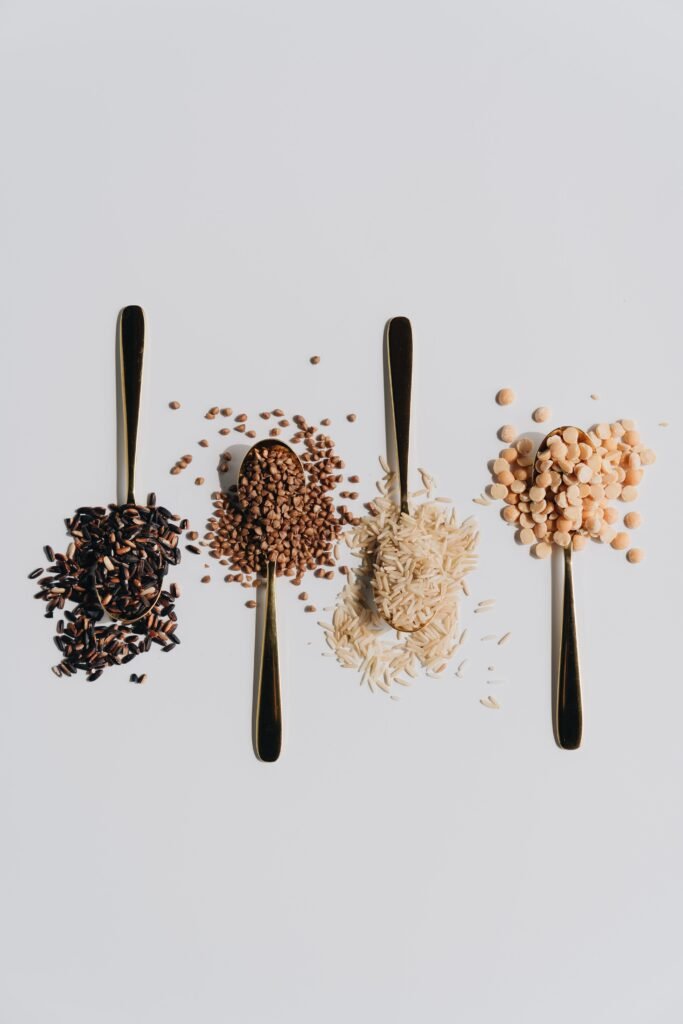
- quinoa
- brown rice
- oats (gluten‑free)
Gentler on the gut than wheat‑based products.
5. Herbs & Spices
- turmeric
- ginger
- cinnamon
Natural anti‑inflammatories that can be added to simple meals.
And finally…
If you’re unsure about changing your child’s diet. If it feels like one more thing, one more battle ahead, take one day at the time.

Anti‑inflammatory eating isn’t about restriction. It’s about comfort. It’s about calm. It’s about giving your child a body that feels easier to live in.
And you don’t have to do it all at once. You don’t have to do it perfectly. You can start with one gentle shift — one meal, one swap, one moment of curiosity.
Sometimes, that’s all it takes to notice a difference.