
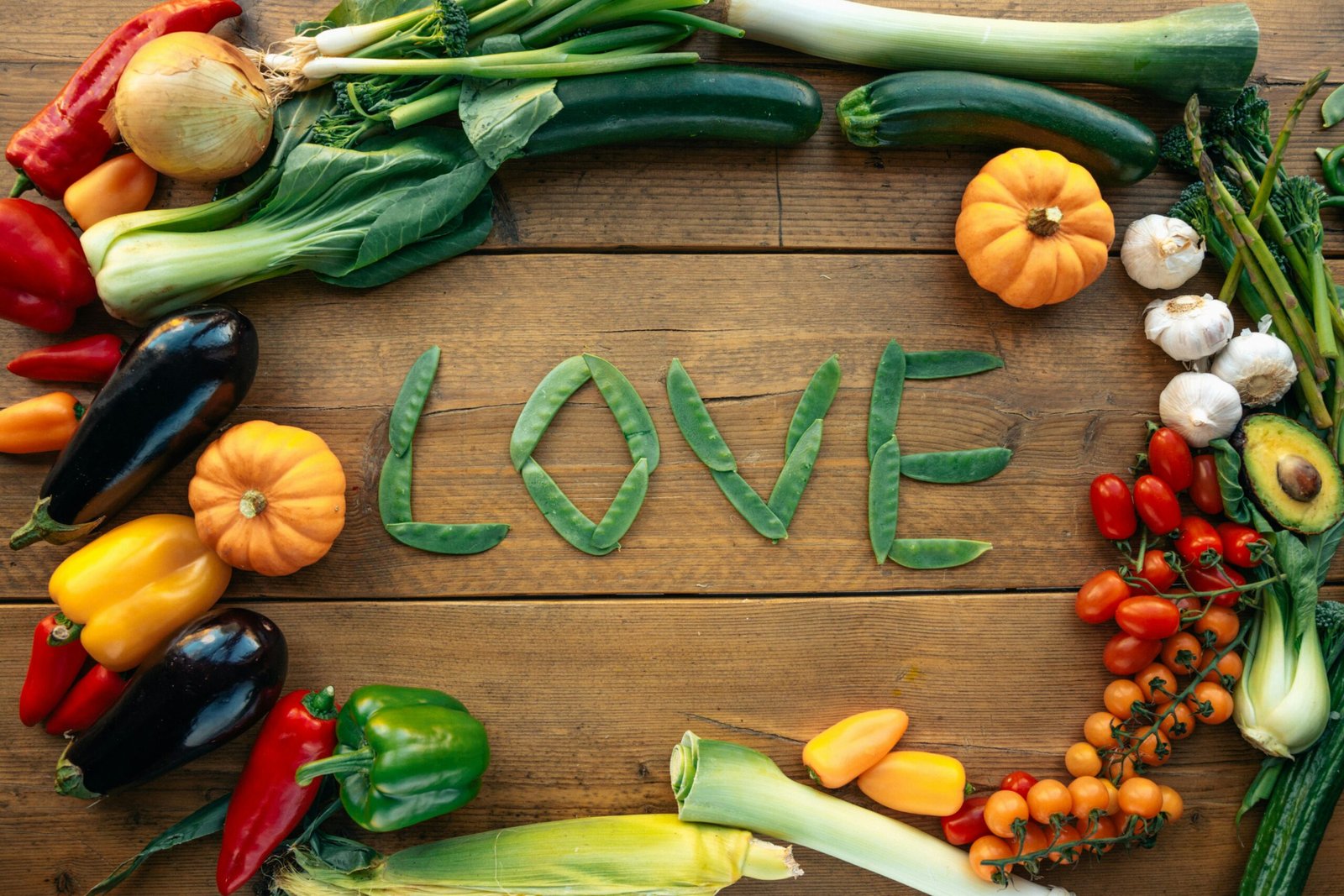
When Food Becomes More Than Food: A Gentle Invitation to Rethink Inflammatory foods for Your Child
If you’re a mom who feels resistant to changing your child’s diet, I want you to know something right away: You’re not wrong. You’re not failing. And you’re definitely not alone.
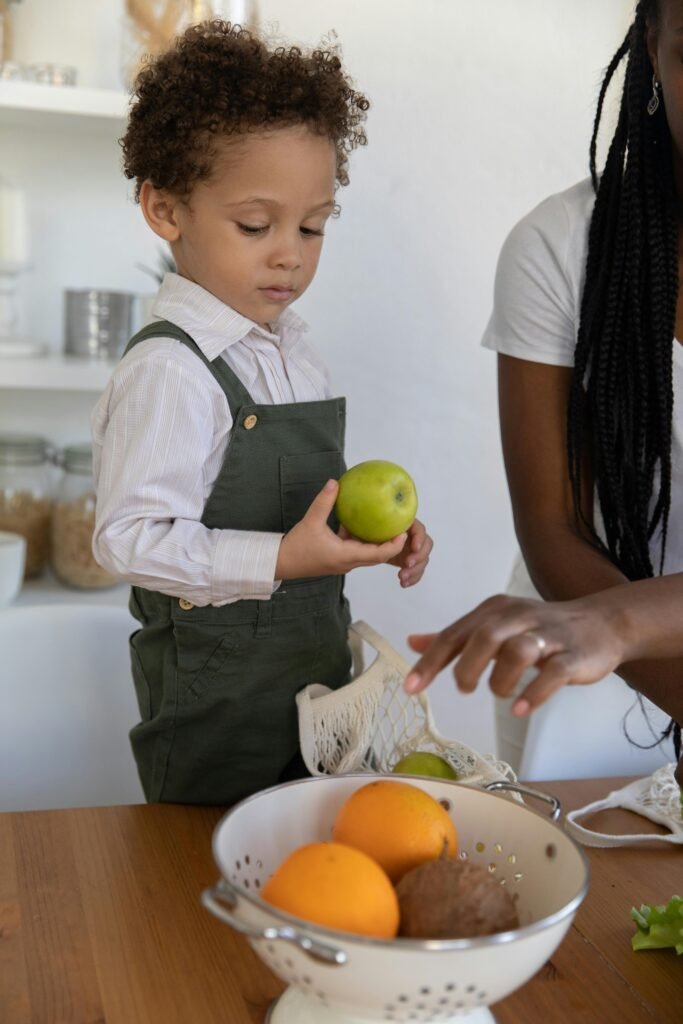
Feeding a child — especially a child with sensory needs, developmental differences, or a history of picky eating — is already a full‑time emotional job. The idea of removing something like gluten for example, or changing familiar foods can feel impossible. Overwhelming. Unnecessary. Even unfair.
I get it. I felt all of that too.
But sometimes, the smallest shift in food becomes the biggest shift in our child’s comfort.
Let me tell you why I started paying attention.
The Signs I Didn’t Want to See (But Couldn’t Ignore)
Nicholas had bloating since he was a toddler. His belly would swell so much it looked painful, even when he couldn’t tell me it hurt. And because he didn’t have the words to explain what he was feeling, he coped the only way he knew how: he would hide and hold in his bowel movements.

That habit led to constipation, discomfort, and a cycle that affected everything — his mood, his sleep, his behavior, his ability to regulate.
Back then, I didn’t connect any of this to food. I thought it was “just him.” But his body was trying to speak long before I learned how to listen.
Why Gluten Became Part of the Conversation
Gluten isn’t “bad.” But for some children — especially those with autism or sensory challenges — gluten can be:
- hard to digest
- inflammatory
- overwhelming to the gut
- disruptive to mood and behavior
Some kids process gluten just fine. Others don’t. And the difference often shows up in behavior long before it shows up in words.
For Nick, gluten was one of those quiet triggers that made everything just a little harder.
The Change I Didn’t Expect
To this day, I prefer not to give Nick foods that contain gluten. Not because I’m strict. Not because I’m chasing perfection, but because I’ve seen how much better he feels with simple, non‑processed meals — real ingredients, without all the hidden additives that used to upset his stomach and his balance.
He’s calmer. More comfortable. Less bloated. More even.
And that helps!
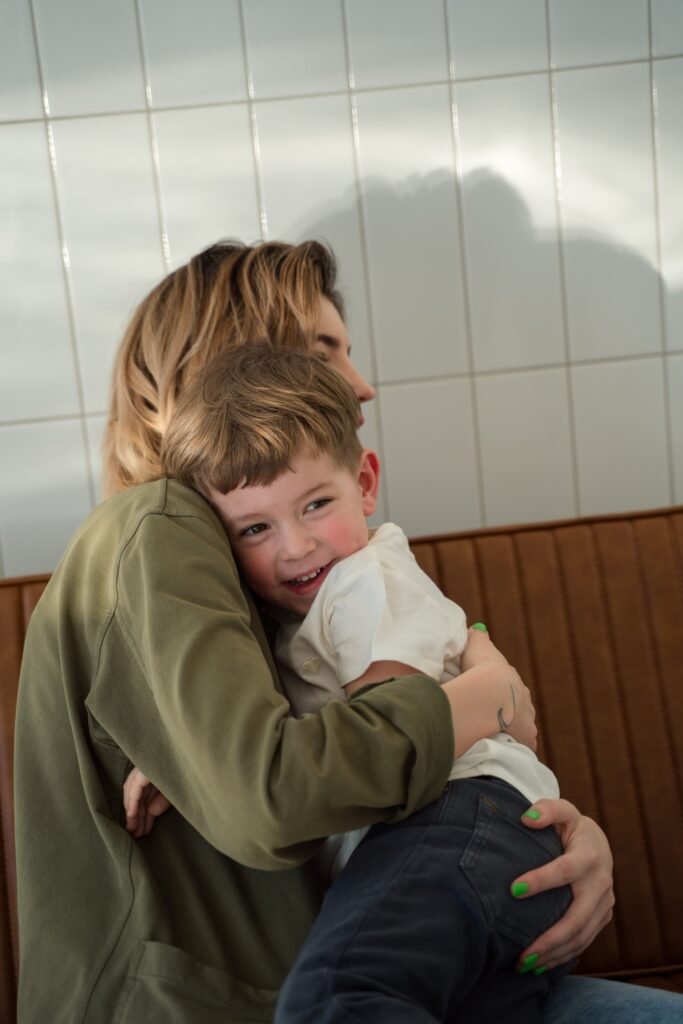
If You’re Resistant, This Part Is for You
You don’t have to overhaul your kitchen. You don’t have to become a gluten‑free expert. You don’t have to throw away everything your child loves.
You can simply notice.
Notice the days your child seems more overwhelmed. Notice the bloating. Notice the constipation. Notice the meltdowns that come out of nowhere. Notice the patterns you’ve been too exhausted to connect.
And if you ever feel ready — even just a little — you can try one tiny shift.
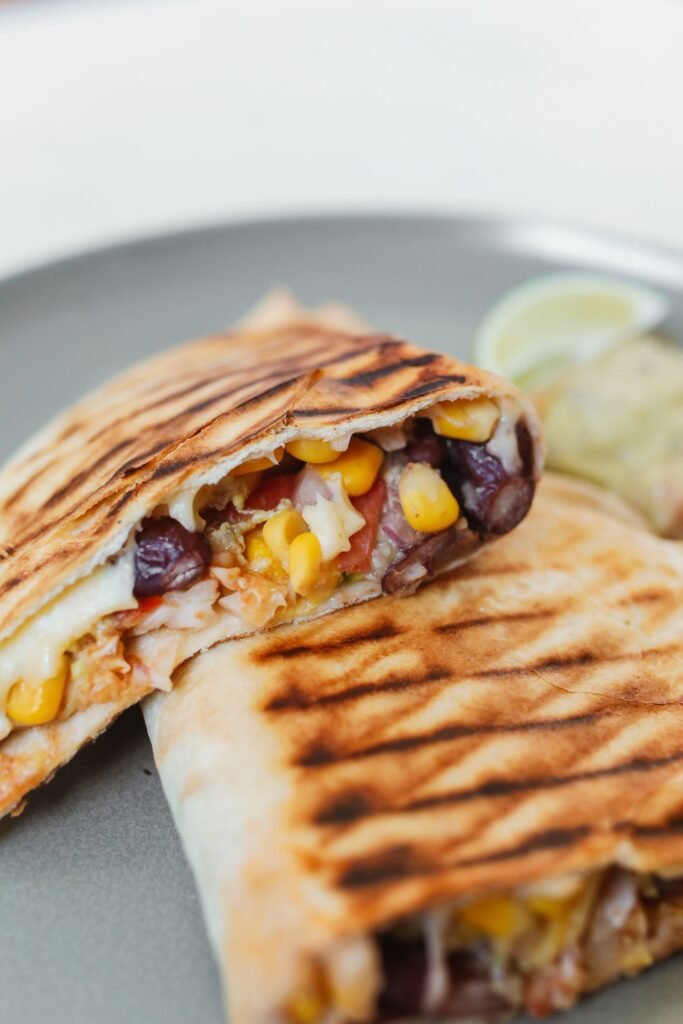
Not a diet. Not a rule. Just a gentle experiment.
Because sometimes, the smallest change in food becomes the biggest change in peace.
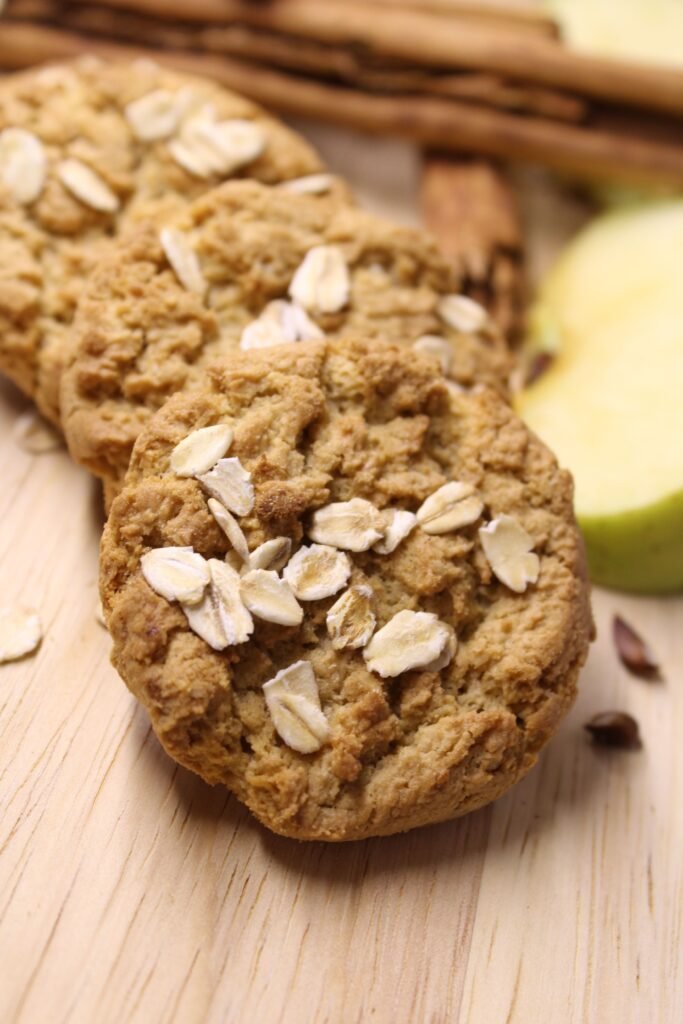
Simple Gluten‑Free Apple Cinnamon Muffins
Soft, sweet, and made with whole ingredients — perfect for breakfast, snacks, or lunchboxes.
Ingredients
- 1 cup gluten‑free oats
- 1 ripe banana
- 1 egg
- 1 small apple (peeled and grated)
- ½ tsp cinnamon
- ½ tsp baking powder
- A drizzle of honey (optional)
Instructions
- Preheat oven to 350°F (180°C).
- Blend oats into a flour (or leave them whole for texture).
- Mash the banana and mix with the egg.
- Add grated apple, cinnamon, baking powder, and oats.
- Spoon into muffin cups.
- Bake for 15–18 minutes until set and lightly golden.