
Emotional intelligence doesn’t always look the way the textbooks say.
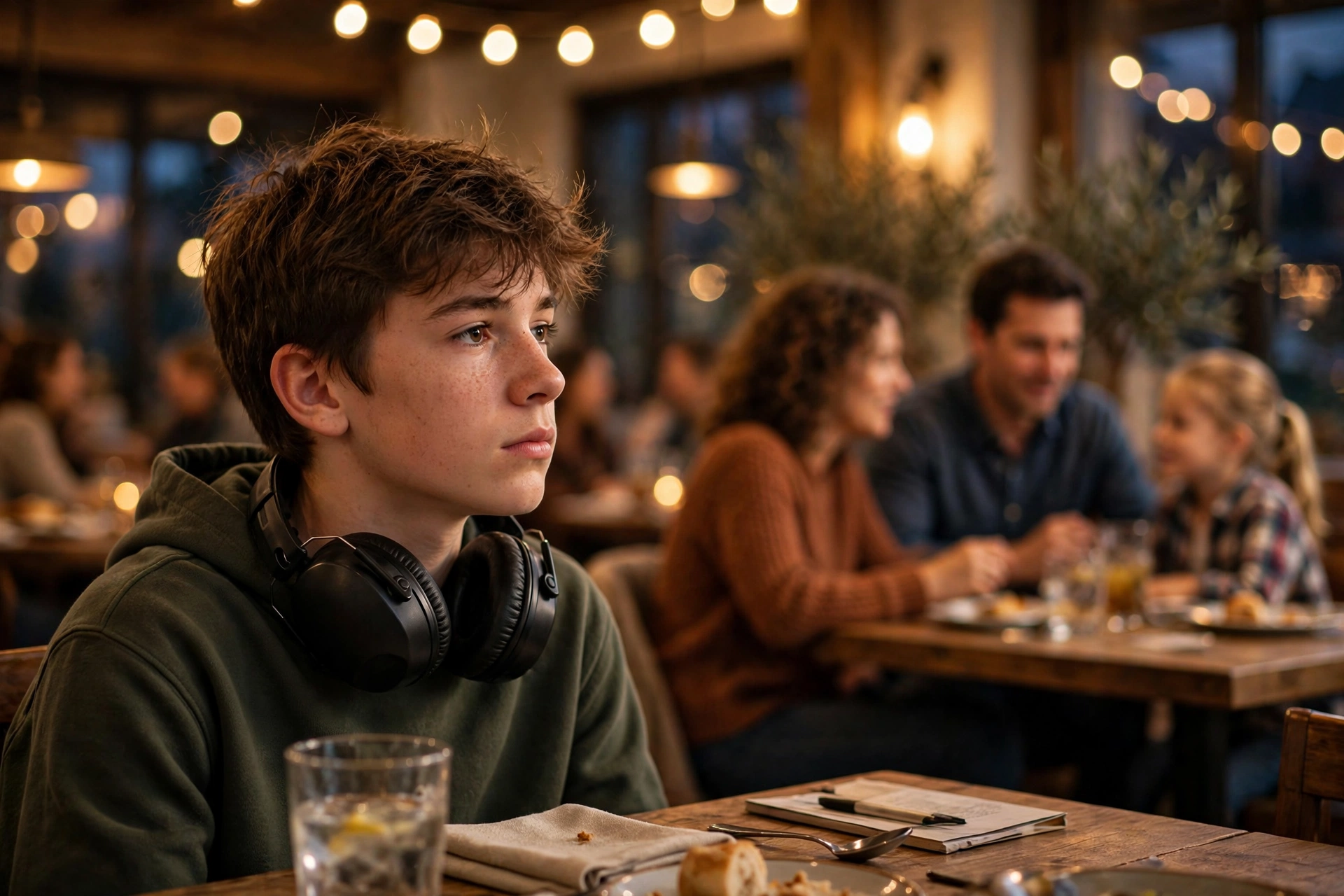
Dinner was over. We were still at the table, nobody in a hurry to leave, when my husband started a game — one of those silly hand games you play with kids at restaurants.
Nicholas watched. And then he followed. He understood the game, he played it, and he smiled — really smiled. His brother was laughing, loving every second of it. For a few minutes, we were just a family at a table, playing.
Then Nicholas stopped. Just like that. The interest left his face, and he was done. My husband thought he was confused — that he’d lost track of the game.
He wasn’t confused. I know that look. I know my son’s face the way you know a language you’ve been fluent in for years — I can see it when he’s watching, taking everything in, deciding what comes next. That wasn’t confusion. That was a decision.
He did try to understand the table — he looked at us. Then he gave his dad a look — the one that says everything without saying much at all — and that was it. He didn’t say a word. He didn’t have to. That look was the whole sentence: no more. I’m done.
No meltdown, no explanation, no negotiating. My son keeps everything inside — he uses words only for the essential, his needs, nothing extra. And that night, he didn’t even need the words. His face did the talking.
I’ve been thinking about that night ever since, because here’s what I keep coming back to: that was emotional intelligence.
Not the textbook kind. Not naming feelings off a chart or talking through them in sentences. The real kind — the kind underneath all of that. Knowing what you feel. Knowing what you need. And communicating it before it becomes something bigger.
Nicholas felt the fun draining out and acted on it — he read his own inner state and drew a boundary around it. With a look.
People hear “autism” and assume something is missing. Because our kids don’t always do feelings the way the world expects — big announcements, long explanations — the world decides the feelings aren’t there. But the feelings are there. Anyone who has lived with my son knows the feelings are there, sometimes so big they flood the whole room. What’s different is the translation. The storm inside doesn’t always come with a weather report.
And I want to say this for the moms whose kids can’t get the words out — not two, not one, none. If you’re trying everything to hear your child’s voice, I see you. The absence of words is not the absence of feelings.
Those kids are reading the room too. They’re feeling it all, and they’re making their decisions with what they feel — with their bodies, with a look, with leaving the room. It just doesn’t come out in words. But there’s another side to this.
Unpacking Other People’s Feelings
When it comes to understanding what others are feeling and responding to it, things get way more complicated for Nicholas.
That’s a skill that’s hard for anyone — and especially for our kids with autism. So much of it runs on social cues that are almost impossible to explain. This natural thing everybody takes for granted is genuinely hard for our autistic people. That’s the part nobody talks about. Nicholas can understand how he feels and still not read what someone else is feeling. It’s not that he doesn’t care. The feeling is right there in front of him; he just can’t unpack it.
In our house, we tell Nic exactly how something he did made us feel. It might sound like a lot — you might think we should spare him the discomfort of hearing it when he’s upset us. But the opposite has been far more helpful to him. Understanding that your autistic person has this limitation and needs training is the biggest gift you can give them. Because our special people do care about us, and they want to get it right with others.
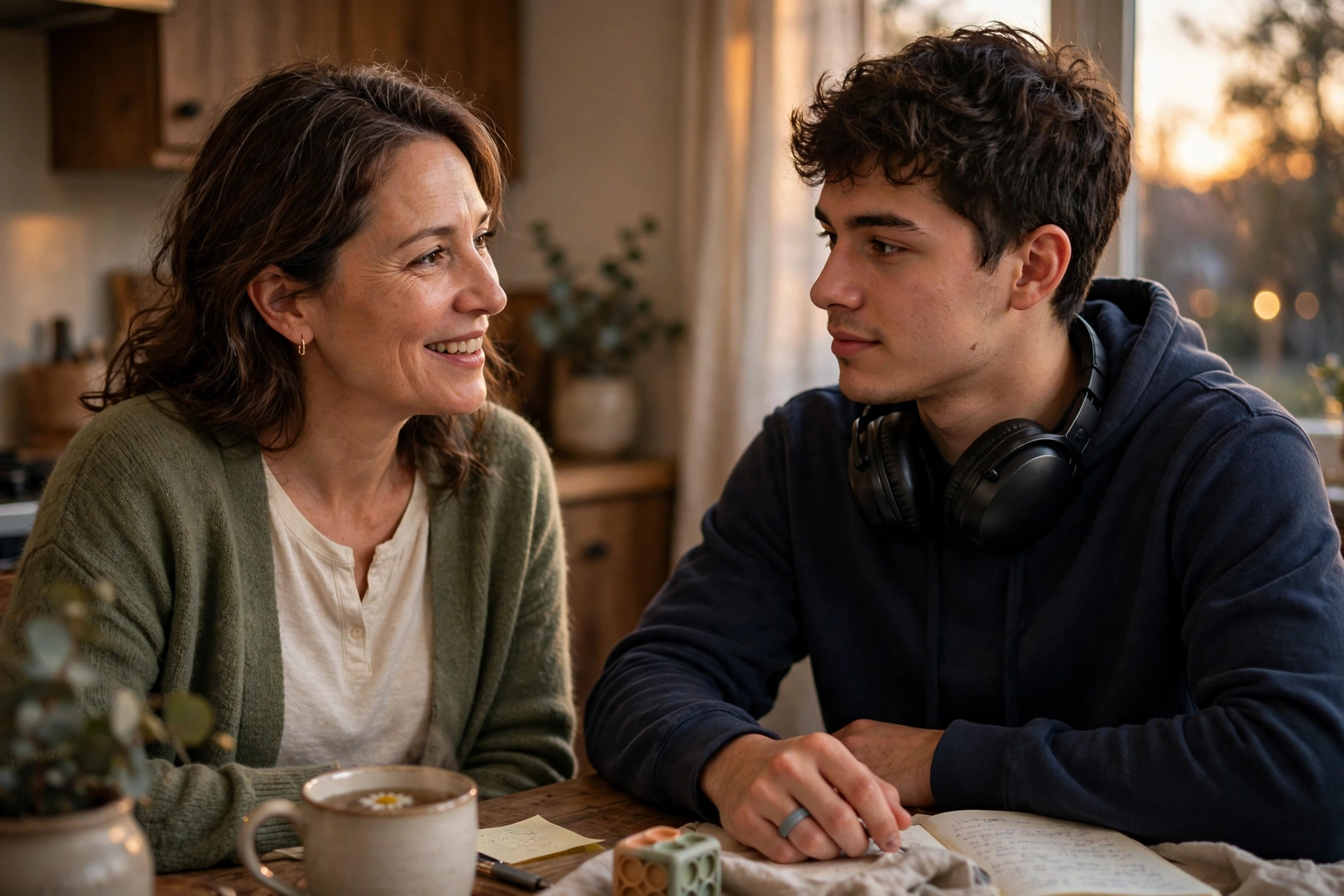
That night, Nicholas showed me he has the tools to decide when and how to get his message across — with a look, at the right time. I realized he has emotional intelligence inside him. However, he will forever need help to unpack and address others’ needs and feelings.
If there's a topic you'd like me to write about, share it in the comments — or contact me. I'd love to hear from you.


