
For many moms raising autistic kids, elopement isn’t a one‑time scare — it’s something that can happen again and again. One moment your child is beside you, and the next moment your heart is racing. This experience is far more common than most people realize.
Affiliate Disclosure: This post contains Amazon affiliate links. As an Amazon Associate, I earn from qualifying purchases at no extra cost to you. Thank you for supporting Your Parenting Blueprint.
1. What Elopement Really Means (Most Important)
Elopement isn’t “running away.” It’s when a child leaves a safe space — home, school, the yard — without permission or supervision.
For autistic children, elopement is rarely about defiance. It’s usually about communication or regulation:

- They’re overwhelmed and need quiet.
- They’re drawn to something comforting — water, lights, movement.
- They don’t know how to say, “I need a break.”
Understanding this helps us respond with compassion instead of fear.
2. Why Elopement Happens (Understanding the Root Cause)
Every child’s reason is different, but most elopement falls into a few patterns:

- Sensory overload: Too much noise, light, or chaos.
- Sensory seeking: Wanting to touch, see, or feel something soothing.
- Avoidance: Escaping stress, demands, or transitions.
- Curiosity: Exploring something that caught their attention.
- Communication gaps: Moving away because they can’t express what they need.
Once you start noticing why your child leaves, you can begin planning how to keep them safe.
3. What You Can Do at Home (Practical Prevention)
You don’t need to turn your home into a fortress — just make it safer and calmer.
- Add door alarms or high locks.
- Use visual stop signs on doors and gates.
- Create a safe zone with sensory tools and calming activities.
- Teach simple phrases or cards like “break,” “help,” or “wait.”
- Practice “stop” and “freeze” in a playful way.
- Keep transitions predictable — use timers or countdowns.
When it comes to home safety, you need something that works in everysituation — whether your child can reach the lock, figure out how to climb to it, or eventually learn how to open whatever bolt you installed. Many autistic kids are incredibly resourceful, and traditional locks don’t always hold up.
That’s why I strongly recommend using a keypad lock. The one I’ve linked is the exact model we use in our home, and since installing it, we have had zero elopements through the front door. It’s fully weatherproof, reliable, and secure enough that my child has never managed to bypass it.

If you’re looking for a long‑term solution that doesn’t rely on height, strength, or “hoping they won’t figure it out,” I truly recommend installing these on every exit. It’s one of the simplest upgrades that can dramatically increase safety and peace of mind. There are cheaper options out there, but I’ve tried many of them — and they simply don’t stand the test of time. When it comes to home safety, especially for a child who elopes, durability matters. A lock or device that works for a few weeks and then breaks is not a safety tool; it’s a false sense of security. Small steps make a big difference.
4. If Elopement Happens (Emergency Response)
If your child elopes:
- Call for help immediately.
- Check water first — ponds, pools, creeks.
- Keep a recent photo and description ready.
Water is the most common and most dangerous destination.

5. Partnering With Local Police (Community Safety)
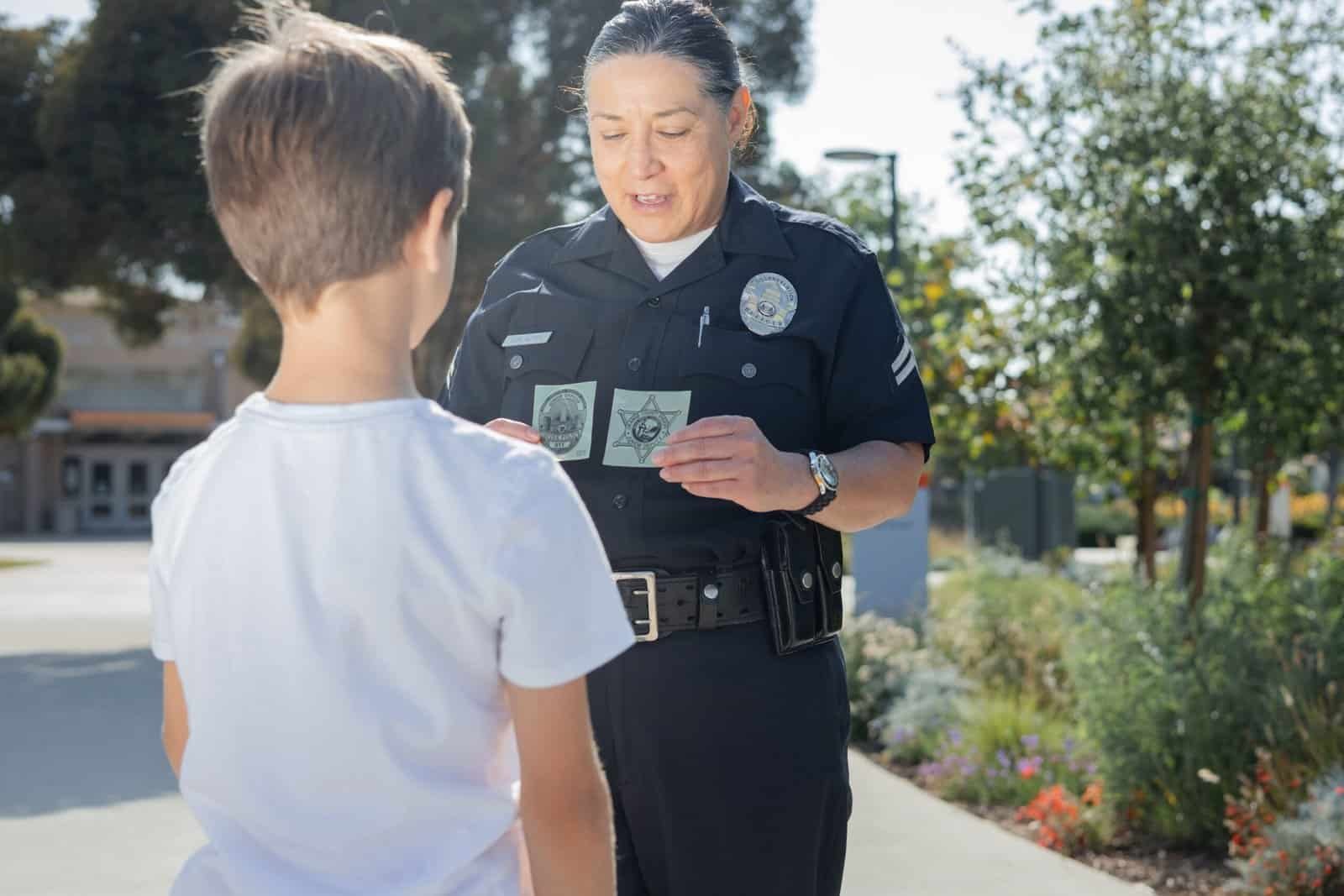
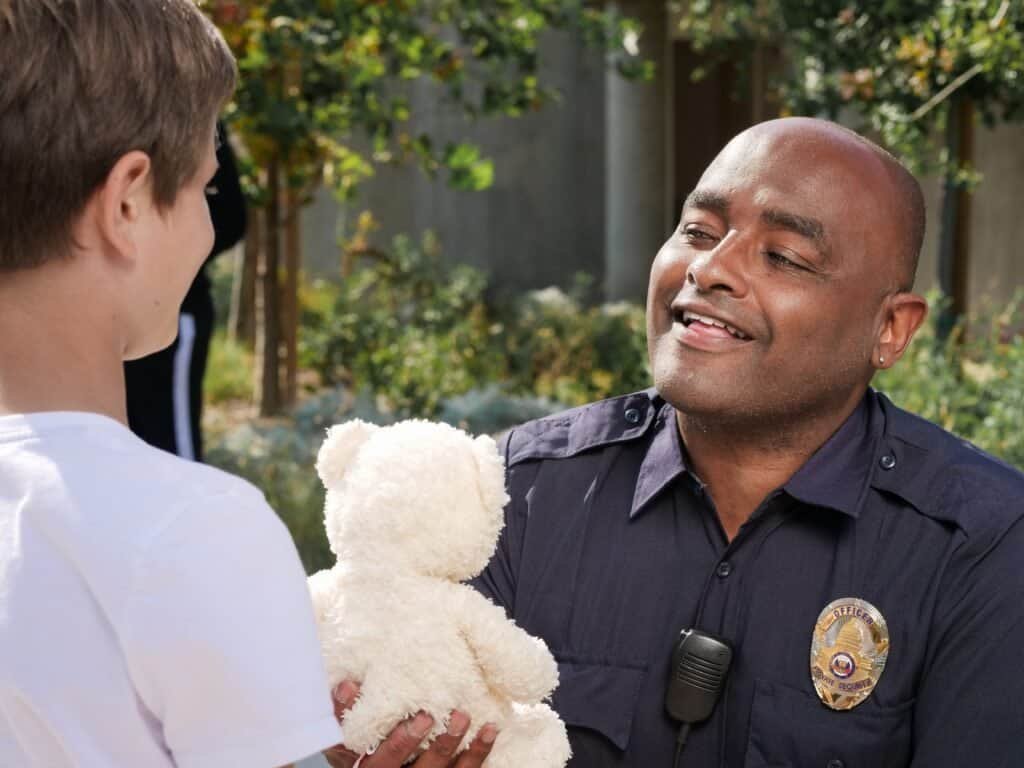
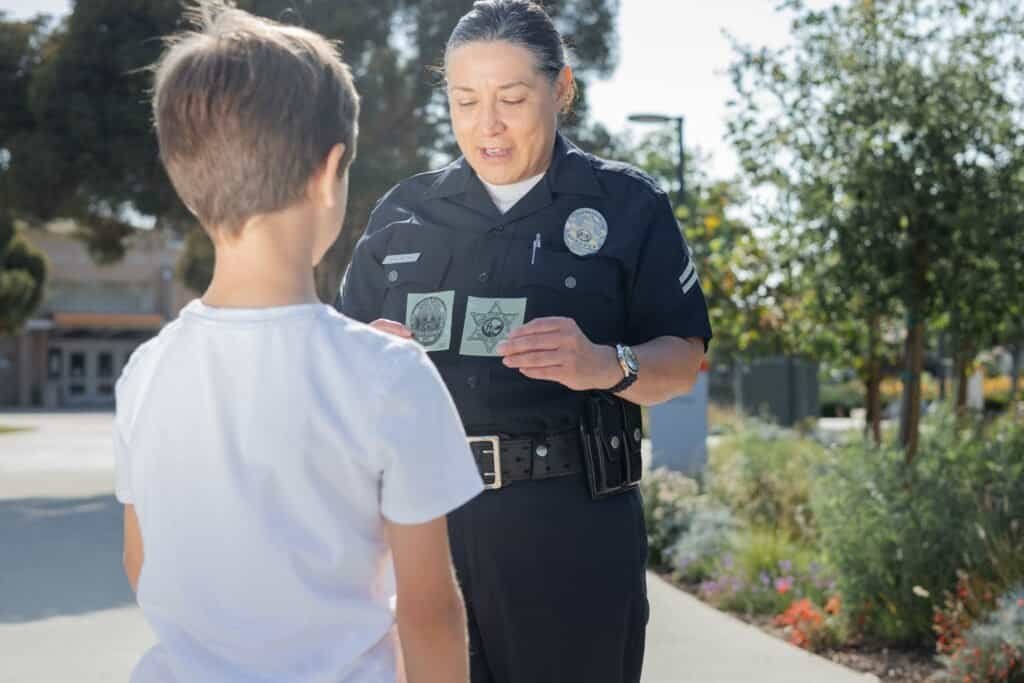
One of the most comforting things you can do is register your child with your local police department. This isn’t about labeling your child — it’s about making sure that if they ever wander, the people who find them know how to help.
Police officers can’t always tell if a child is autistic, nonverbal, or easily overwhelmed. By registering your child, you give them the information they need to respond gently and effectively.
What You Can Share
Most departments allow you to provide:
- Your child’s name, age, and photo
- Medical or behavioral notes (ex: “nonverbal,” “sensitive to loud sounds”)
- Favorite places they might go
- Emergency contacts and your address
This helps officers approach calmly and avoid triggers like loud commands or flashing lights.
Why It Matters
If your child ever goes missing, police already have:
- A photo
- Communication notes
- Likely destinations
- Your contact information
This saves precious time and reduces trauma for everyone involved.
How to Start
Call your local police department’s non‑emergency number or check their website for:
- “Special needs registry”
- “Autism safety program”
If they don’t have one, most departments will still accept your information informally.
6. ID Bracelets (Simple, Everyday Protection)
If your child has ever wandered — even once — an ID bracelet can bring enormous peace of mind.
It’s not about expecting the worst. It’s about being prepared in the simplest, gentlest way.
What an ID Bracelet Includes
- Your child’s name
- Their diagnosis or communication needs (“Autistic — nonverbal”)
- Your phone number
- Optional: address, medical needs, “May not respond to name”
This tiny bracelet becomes your child’s voice when they can’t use their own.

If your child is anything like mine, they will remove any “cute” or stylish bracelet you buy. That’s why it’s so important to choose an ID bracelet they cannot easily take off. The one I’ve linked is the exact bracelet my son has worn for over five years. It’s durable, secure, and comfortable enough that he forgets it’s even there. I recommend it to any parent who doesn’t want to waste money cycling through brands that won’t stay on.
Why It Helps
Children who elope often:
- Don’t respond when called
- Can’t explain who they are
- Feel overwhelmed when approached
- Head toward water or familiar places
The bracelet tells helpers exactly what to do — call you, stay calm, avoid loud commands.
A Gentle Closing Reminder
Elopement doesn’t mean you’re failing. It means your child is trying to communicate in the only way they can. With understanding, preparation, and community support, you can create a safer world for your child — one where they’re protected, understood, and gently guided back home.