Why their role matters more than most people realize
When you’re raising a child with special needs, the world often focuses on therapies, routines, meltdowns, progress charts, and the day‑to‑day challenges that come with neurodivergence. But there’s another part of the story that rarely gets the attention it deserves:
Affiliate Disclosure: This post contains Amazon affiliate links. As an Amazon Associate, I earn from qualifying purchases at no extra cost to you. Thank you for supporting Your Parenting Blueprint.
The siblings who grow up alongside them.
These children live in the background of appointments, transitions, sensory needs, and unpredictable days. They learn to adapt, to wait, to help, to understand — long before most kids their age ever have to.
And their role is not small. It’s foundational.
I often find myself telling my 10‑year‑old daughter to wait until I’m done helping Nicholas, or searching for something related to his condition. It’s not new. She has been waiting for me since she was a baby — sitting in her playpen or stroller while I handled a need, a crisis, or an emergency. And every time I ask her to wait now, it hits me: she’s still just a little girl, giving up yet another moment with me so her brother can have what he needs.
The emotional landscape they navigate
Special‑needs siblings carry a mix of emotions that can be hard to articulate:
- Love that runs deep — a protective instinct that shows up early.
- Confusion — wondering why their brother or sister struggles with things that seem easy to others.
- Patience — learned through necessity, not instruction.
- Frustration — because their needs sometimes have to wait.
- Pride — when their sibling accomplishes something that took weeks or months to achieve.
- Loneliness — because their family life looks different from their friends’.
- Maturity — that grows quietly and steadily.
They don’t always say these things out loud. But they feel them deeply.
The invisible skills they develop
Growing up with a neurodivergent sibling shapes a child in ways that last a lifetime:
- Empathy that is instinctive, not taught
- Flexibility in unpredictable situations
- Awareness of differences without judgment
- Communication skills beyond their age
- Resilience built through real‑world experience
- A sense of responsibility that feels natural, not forced
These are not small traits. They are the building blocks of emotionally intelligent adults.
The bond that becomes a lifeline
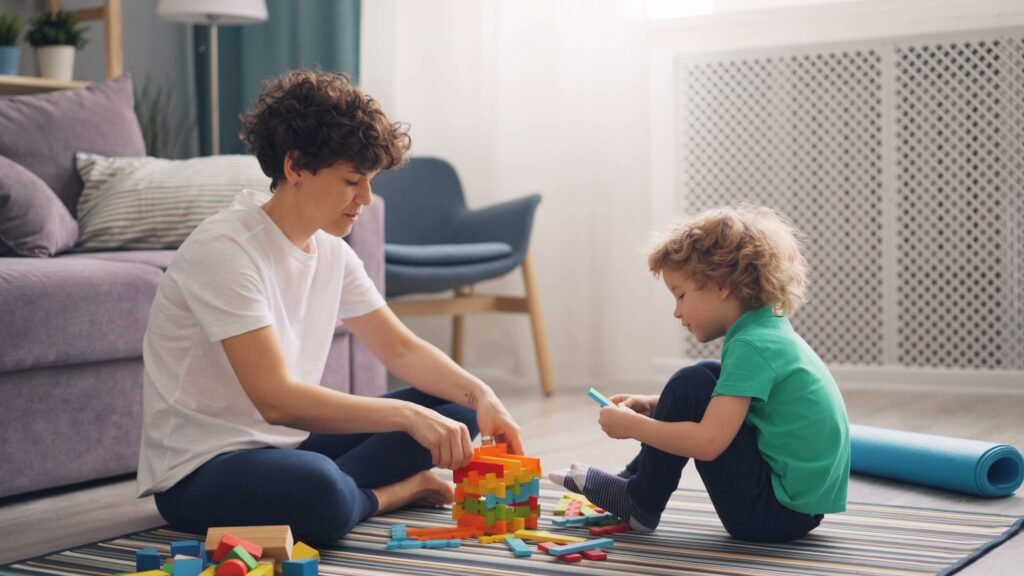
For many children with special needs, their sibling is:
- their first friend,
- their safe person,
- their translator,
- their comfort during transitions,
- their anchor in overwhelming moments.
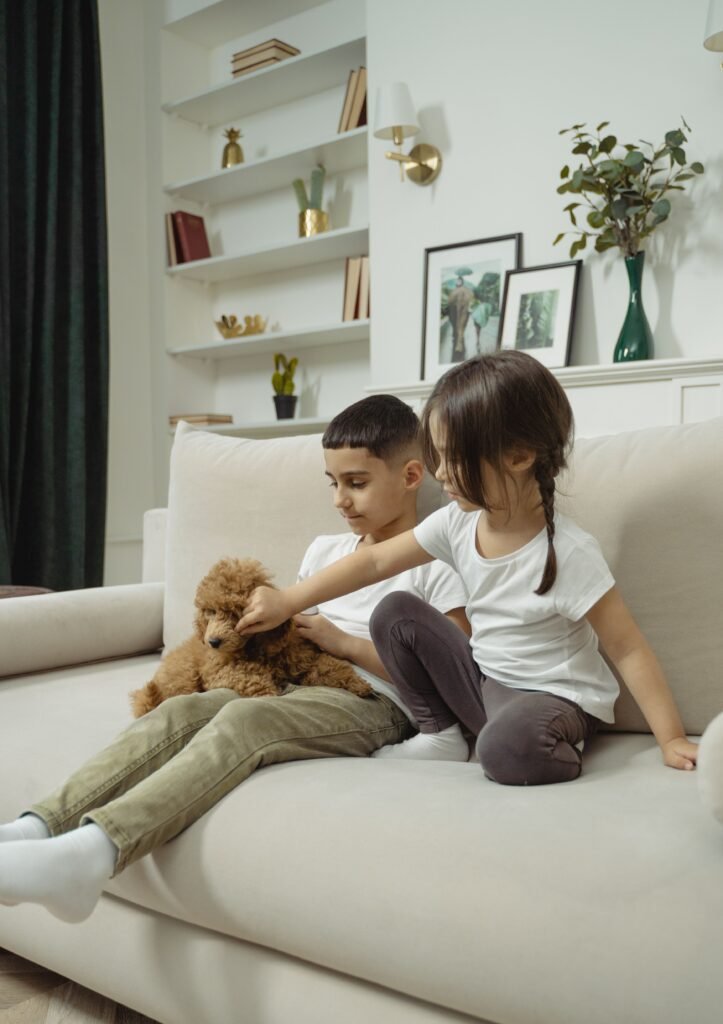
This bond often becomes one of the most stabilizing relationships in their lives.
And for the sibling? It becomes a source of identity — a role that shapes who they become.
The challenges we must acknowledge
Celebrating siblings doesn’t mean ignoring the hard parts.
They may experience:
- feeling overlooked,
- taking on too much responsibility,
- guilt for wanting more attention,
- embarrassment in public moments,
- fear about the future,
- pressure to “be the easy one.”
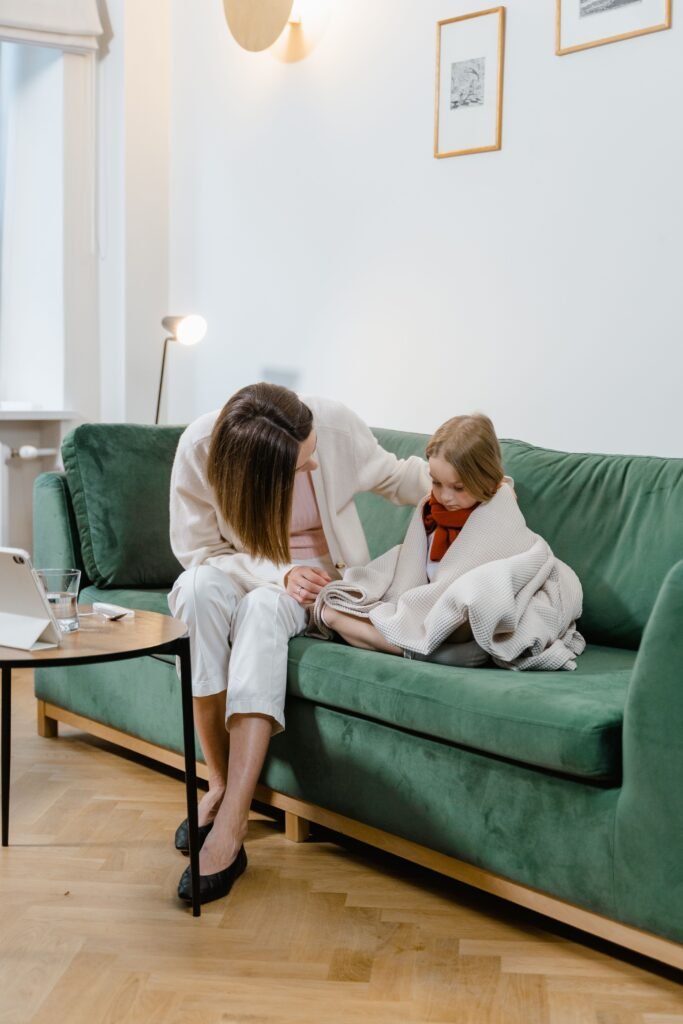
These feelings are normal. They deserve space, validation, and support.
How parents can nurture special‑needs siblings
You don’t need grand gestures — just intentional moments.
- Give them dedicated one‑on‑one time Even 10 minutes of undivided attention can change everything.
- Let them express frustration without guilt Their feelings don’t diminish their love.
- Celebrate their role without making it a burden They are important — but they are still children.
- Teach them that their sibling’s needs are not their responsibility They can help, but they are not the caregiver.
- Create moments where they get to be “just kids” Play, silliness, freedom — they need it too.

The truth every special‑needs sibling should hear
You matter. Your feelings matter. Your childhood matters. Your role is important — but it does not define your entire life. And you are deeply loved, even on the days when the family’s attention feels stretched thin.
Final thoughts
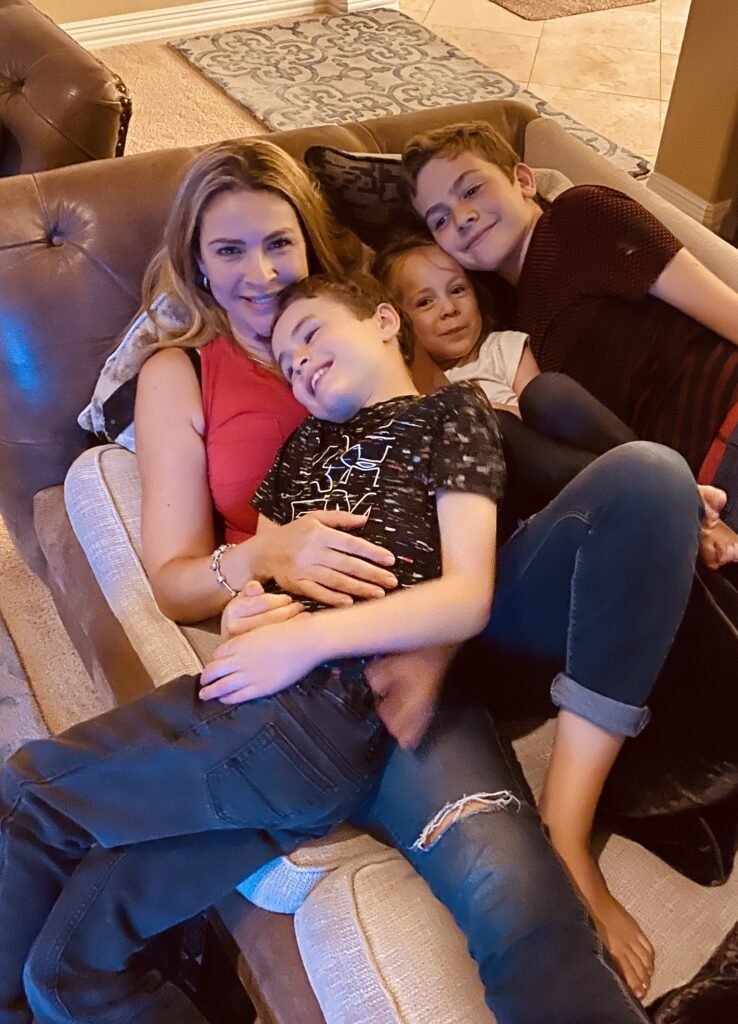
Special‑needs siblings are the quiet heroes of neurodivergent families. They grow in ways that are profound, beautiful, and often unseen. They carry wisdom beyond their years and compassion that shapes the world around them.
And when we support them intentionally, we strengthen the entire family — including the child with special needs.