The Beginning: Motherhood, Hope, and the First Signs Something Was Different
A New Chapter
Every family has a beginning—a moment when life feels simple and full of possibility. For me, motherhood began with joy, certainty, and a sense of purpose I had never known before. I couldn’t have imagined then how profoundly my life would change, or how much strength I would need to find along the way.
Our Family

Before motherhood, I was young and independent, building a career. I met my husband just as my professional life was taking off. When we chose to start a family, everything shifted. My purpose began pointing somewhere new. I moved to the UK, where my husband comes from, and we built a life from the ground up.
Becoming a mother became the happiest, most fulfilling chapter of my life.
ADHD: The Early Signs
My first son was born two years after we moved to the UK. He arrived curious, healthy, and full of energy. But, by age three, we began to worry. His speech was delayed, and he didn’t begin talking until he was four. At the same time, he was already remarkably bright, he used to spend long stretches building Lego sets meant for much older children and solving puzzles far beyond his age. He joined nursery school already knowing all his letters, animals, and numbers.
At age eleven, he was diagnosed with ADHD. The diagnosis explained so much, yet it was only the beginning of our journey.

Autism: A Different Path
My second son was born three years later, now 16, followed a similar early pattern with speech delays, but he was much quieter, and didn’t tolerate being taught anything. Slowly, we realized his challenges ran much deeper. By the time he started primary school, he was diagnosed with autism spectrum disorder.
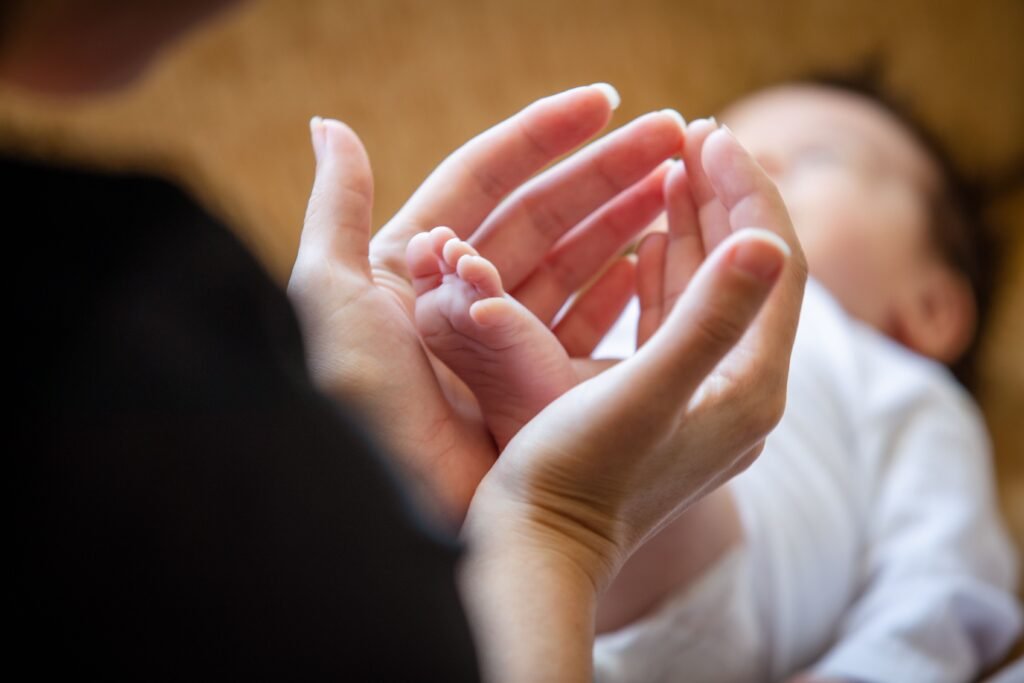
Our daughter, now 10, was born five years later. During my pregnancy, doctors warned me that she had a 25% higher chance of having autism, and they reminded me repeatedly that my age placed me outside what they considered “safe” to have another child. But she arrived — a natural birth, just like her brothers — and she was healthy, calm, and perceptive.
Caring for a newborn brought me back to a simpler time, when your child is only yours and their future isn’t defined by behaviors, labels, or reports. Before autism evaluations, therapy schedules, and school meetings filled our calendar. Before professionals dissected every gesture, every sound, every silence. Before I learned terms I never wanted to know — “delayed,” “impaired,” “severe,” “noncompliant.” Before I sat in rooms where stranger decided who my child was and who they believed he would never become.
Holding her reminded me of the days when motherhood wasn’t measured in progress charts or IEP goals, when no one questioned my instincts or implied that love wasn’t enough. With her, there were no labels, no battles, no systems to fight. Just a baby in my arms, untouched by the weight of diagnoses and expectations. She brought me back to a place where parenting felt pure again — where I could breathe, where I could remember who I was before the world tried to redefine my children for me.

PANDAS: When Everything Changed
The Shift No One Could Explain
Some moments divide life into “before” and “after.” For us, the shift was sudden, frightening, and overwhelming. It was the moment when everything we thought we understood about autism no longer made sense. The patterns disappeared. The predictability vanished. What had once been manageable became something else entirely.
While I was still learning how autism would shape our family, my middle child began to change in ways that didn’t match anything we had been told to expect.
He developed night terrors, panic attacks, sensory overwhelm, bedwetting, and behaviors that made him look like a completely different child.
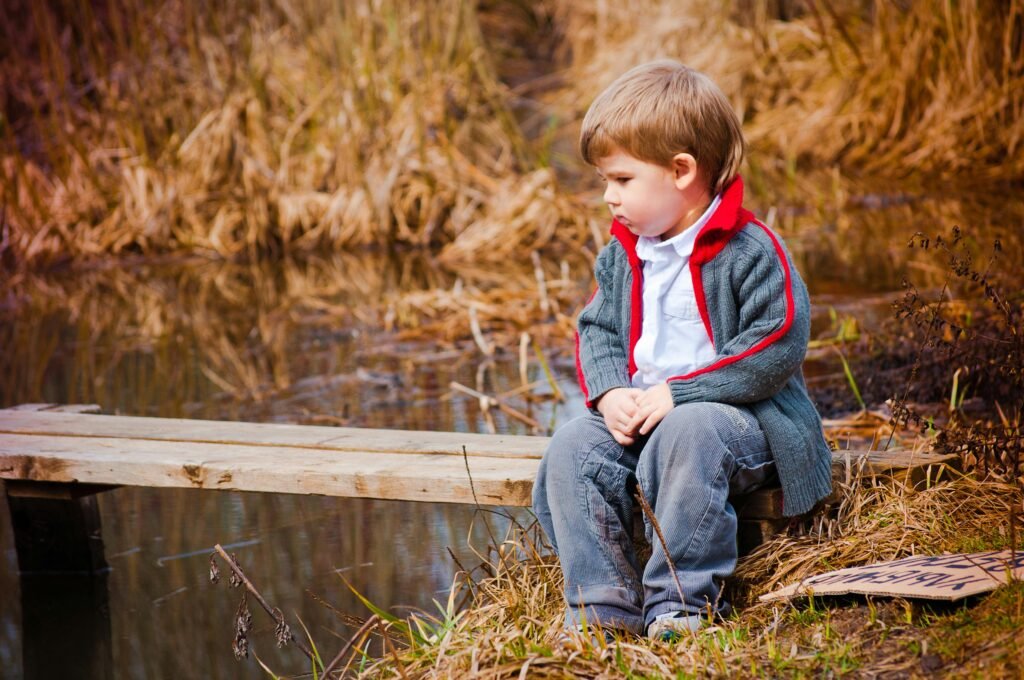
A private ABA specialist we hired out of pocket – because the NHS doesn’t offer that level of support – worked with Nick for only a couple of months before looking at me and saying something that changed everything:
“This is not autism alone. I’ve worked with hundreds of children. They each have their own patterns. The child I’m seeing today is not the child I started working with a few months ago.”
Her words terrified me. But they also sparked something I hadn’t felt in a long time: hope. If this wasn’t autism alone…, could it be reversed? Could we find answers?
I needed to know…